How to Install Solar Panels on Roof: A Simple Guide for Homeowners
Solar power is now a popular choice for homes and businesses across the UK. More people want to reduce energy bills, use cleaner power, and gain better control over their electricity use. However, before you install solar panels on roof areas, it is important to understand the process, the equipment, the roof condition, and the local rules.
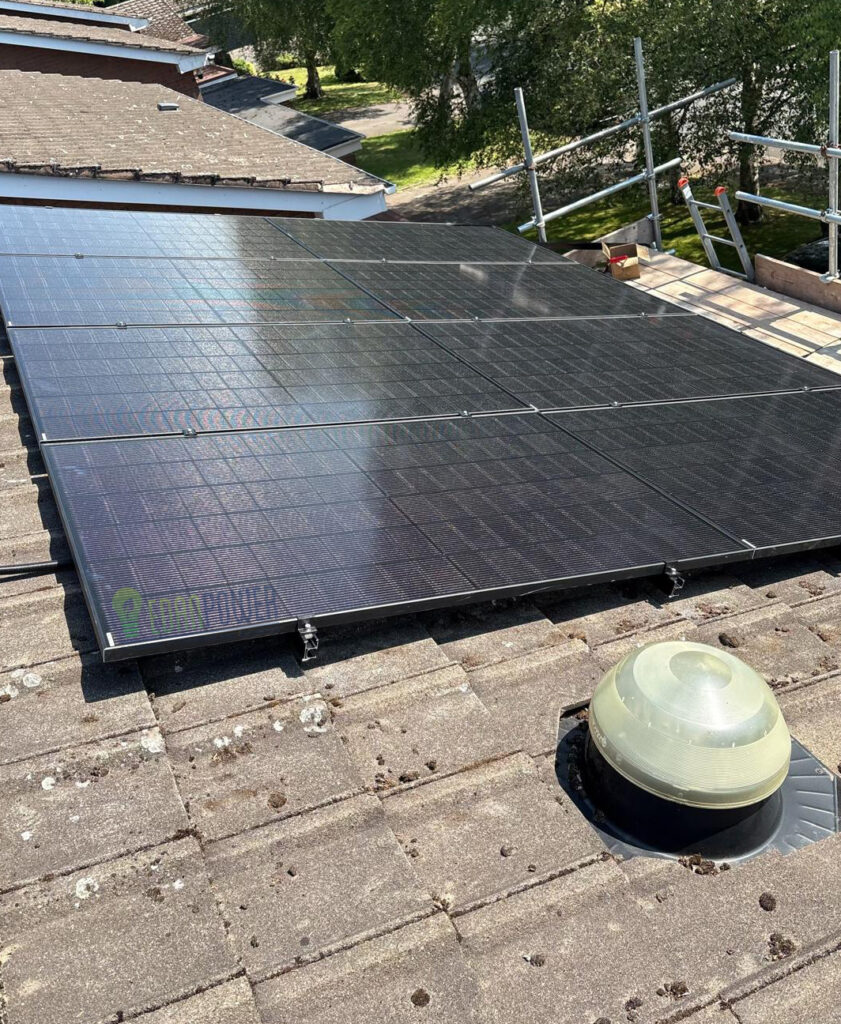
A good solar system does more than place panels on top of a building. It needs careful planning, the right equipment, safe electrical work, and a suitable roof. Therefore, homeowners should learn the basics before starting a solar installation project.
This guide explains the key steps in a clear and simple way. It also covers roof checks, panel placement, inverters, batteries, maintenance, costs, and common questions.
What Does a Solar Panel System Do?
A solar panel system changes sunlight into usable electricity. The panels contain photovoltaic cells that react to sunlight. As a result, they produce direct current electricity.
An inverter then changes this electricity into alternating current. Your home can use this power for lights, appliances, heating systems, and other electrical equipment.
You can learn more about solar energy and how it supports modern power systems. In simple terms, the more useful sunlight your panels receive, the more electricity they can produce.
A complete system may include:
Solar panels
Inverter
Roof mounting system
Electrical cables
Generation meter
Monitoring system
Safety equipment
Optional battery storage
Together, these components form a complete renewable energy solution.
Why Install Solar Panels on Roof?
The roof is often the best place for solar panels because it provides a large, open area that can receive sunlight. A suitable roof can also keep the panels away from trees, walls, and other objects that may cause shade.
When you install solar panels on roof areas, you can generate electricity close to where you use it. This can reduce the amount of electricity you need to buy from the grid.
There are several benefits.
Lower Energy Bills
Solar generation can reduce your reliance on grid electricity. During sunny periods, your panels may produce enough power to run many household appliances.
However, production changes during the day and across the seasons. Therefore, good system design is important.
Better Use of Renewable Power
Solar power uses sunlight rather than burning fossil fuels. As a result, it can help households move towards cleaner energy use.
The term energy covers many forms of power, but solar energy is especially useful because sunlight is naturally available and renewable.
Potential Battery Storage
A battery can store surplus electricity for later use. For example, your panels may produce more power than your home needs during the afternoon. Instead of wasting that surplus, a suitable battery can store some of it.
You can learn more about how a battery works before deciding whether storage is right for your home.
Can Every Roof Have Solar Panels?
Not every roof is suitable for solar panels. Before you install solar panels on roof areas, a professional should check the structure and layout.
Several factors matter.
Roof Direction
In the UK, roof direction affects how much sunlight panels receive. South-facing roofs can often provide strong solar performance. However, east- and west-facing roofs can also work well.
A professional installer can assess the roof and choose a suitable panel layout.
Roof Angle
The roof pitch can affect sunlight exposure. A moderate roof angle may provide good conditions, but many different roof types can support solar panels.
Shade
Trees, chimneys, nearby buildings, and roof structures can create shade. Even partial shade may reduce the output of affected panels.
For this reason, installers normally check the surrounding area before designing the system.
Roof Condition
A roof should be in good condition before panels are fitted. If tiles, roofing materials, or structural elements need major repairs, it is often better to complete those repairs first.
This approach can prevent the need to remove the solar system later.
How to Install Solar Panels on Roof Safely
The process should always be planned around safety. Solar installation involves work at height and electrical equipment. Therefore, trained professionals should handle the installation.
The general process includes several stages.
1. Carry Out a Site Survey
First, the installer checks the roof, property, electricity supply, shading, and available space.
They may also review your current electricity use. This helps them understand how large the system should be.
2. Design the Solar System
Next, the installer creates a system design. The design considers the number of panels, panel position, inverter size, cable routes, and possible battery storage.
Good design matters because a system that is too small may not meet your needs, while an oversized system may not provide the best value.
3. Prepare the Roof
Before installation starts, the roof should be checked again. The mounting points must be suitable for the roof type.
Installers use different mounting products for different roof materials. These can include hooks, rails, brackets, and other fixing systems.
4. Fit the Mounting System
The mounting system supports the solar panels. It must be secure and suitable for the roof.
Correct spacing is also important. The system should allow for safe panel installation while protecting the roof from unnecessary stress.
5. Install the Panels
Once the mounting system is ready, the solar panels are positioned and secured.
Installers then connect the panels using suitable solar cables and connectors. Careful cable management helps protect the system from weather and physical damage.
6. Connect the Inverter
The inverter is one of the most important parts of the system. It converts the electricity produced by the panels into a form that household appliances can use.
Some modern systems also offer monitoring through an app. This lets homeowners view solar production and energy use.
7. Add a Battery if Required
A battery can be added when the homeowner wants to store excess solar power.
Battery systems can be useful for households that use more electricity in the evening. Instead of exporting all surplus daytime power, some electricity can be stored and used later.
8. Complete Testing and Commissioning
After installation, the system must be tested. The installer checks the electrical connections, inverter, panels, safety systems, and monitoring equipment.
Once everything works correctly, the homeowner can start using the system.
Choosing the Right Solar Panel
There are many types of solar panels on the market. Efficiency, size, warranty, performance, and appearance can all differ.
When choosing a solar panel, consider the available roof space and your electricity needs. A high-efficiency panel can be useful when roof space is limited.
You should also look at the manufacturer’s warranty and expected performance over time.
For a complete solution, you can explore a professional solar panel installation service.
What About Solar Panels Birmingham?
Homeowners searching for solar panels Birmingham services should compare installers carefully. Local experience can be useful because installers understand common roof types, weather conditions, and local property styles.
However, location should not be the only factor. Look at experience, installation standards, product quality, warranties, customer support, and aftercare.
A trusted solar panel installer Edan Power with excellent customer support can help homeowners understand their options before work begins.
Do You Need Planning Permission?
Planning rules can depend on the property and the proposed installation. Many standard residential solar installations can fall within permitted development rules, but restrictions may apply.
For example, listed buildings, conservation areas, unusual roof designs, or other planning conditions may require extra checks.
Therefore, homeowners should confirm the current requirements before work begins. A professional installer can also explain the approval process that may apply to the project.
How Much Maintenance Does a Solar System Need?
Solar panels normally need relatively little maintenance. However, that does not mean they should be ignored.
You should keep an eye on system performance. A sudden drop in generation may indicate a problem.
It is also useful to check the panels for visible dirt, leaves, bird mess, or other debris. Rain can clean much of the surface naturally, but heavily soiled panels may need professional cleaning.
The inverter and battery should also be checked according to the manufacturer’s guidance.
How Long Can Solar Panels Last?
Good-quality solar panels are designed to provide power for many years. Their performance can slowly decrease over time, but they can continue generating electricity for a long period.
The actual lifespan depends on the product, installation quality, weather exposure, maintenance, and other factors.
Therefore, choosing reliable equipment and a skilled installer can make a major difference.
What Are the Main Benefits of Professional Installation?
Professional installation offers several important advantages.
First, trained installers can identify roof problems before work begins. Next, they can design the system around your electricity use. They can also select suitable mounting equipment and electrical components.
Furthermore, professional installation reduces the risk of poor wiring, weak mounting, and incorrect system setup.
Instead of choosing a company only because it offers the lowest price, compare the complete service. Good customer support, clear warranties, quality products, and proper aftercare are all important.
When comparing solar installation companies, look at their experience and the type of systems they provide. You can also explore professional solar services from solar installation companies.
Common Mistakes to Avoid
Before you install solar panels on roof areas, avoid rushing into the cheapest available option.
Some common mistakes include:
Ignoring roof repairs
Choosing panels without checking their efficiency
Failing to assess shading
Buying an unsuitable inverter
Forgetting about future electricity needs
Ignoring battery storage options
Using poor-quality mounting equipment
Focusing only on the initial price
Failing to check warranties
Not asking about aftercare
A good installation starts with proper planning. Therefore, take time to compare the complete system rather than looking at panel prices alone.
Is Solar Worth Considering for Your Home?
For many homeowners, solar power can be a useful long-term investment. However, the value depends on several factors.
Your electricity use, roof size, roof direction, shading, system cost, battery choice, and electricity prices all affect the result.
If you use a lot of electricity during daylight hours, you may use more of the solar power directly. On the other hand, a battery can help households shift some solar use into the evening.
As energy needs change, solar systems can also support a more flexible approach to household power.
FAQs About Installing Solar Panels
1. Can I install solar panels myself?
DIY solar installation may appear simple, but a complete system involves roof work and electrical connections. Professional installation is safer and helps ensure the system is correctly designed, fitted, and tested.
2. Do solar panels work on cloudy days?
Yes. Solar panels can still produce electricity on cloudy days because some sunlight passes through the clouds. However, output is usually lower than on a bright, sunny day.
3. Is a battery necessary?
No. A battery is optional. However, it can help store surplus solar electricity for later use. Whether it makes financial sense depends on your electricity use and system design.
4. How many panels do I need?
The number depends on your roof space, electricity use, panel output, shading, and budget. An installer can design a system based on your property and energy needs.
5. Can solar panels damage my roof?
A correctly designed and professionally installed system should not damage a sound roof. Installers use suitable mounting equipment and follow installation methods designed for the roof type.
6. How often should solar panels be cleaned?
There is no single cleaning schedule for every property. Rain can remove normal dust, while some locations may collect more dirt or bird mess. Check the panels regularly and arrange professional cleaning when needed.
7. Can I add more panels later?
It may be possible, but the inverter, roof space, electrical setup, and system design must be checked first. Planning for future energy needs from the beginning can make later upgrades easier.
Conclusion
Solar power can help homeowners produce their own electricity and reduce their reliance on the grid. However, the quality of the installation matters just as much as the panels themselves.
Before you install solar panels on roof areas, check the roof condition, sunlight, shading, electricity use, system size, and future energy needs. Also, compare installers based on quality, experience, warranties, and customer support.
A well-designed system can provide useful renewable power for many years. With the right solar panel, inverter, mounting system, and optional battery, homeowners can create a practical energy solution for their property.
For homeowners considering solar panels, professional planning is the best starting point. With careful design and reliable installation, solar power can become a valuable part of a modern UK home.


Comments
Post a Comment